Cliff, Then Steps
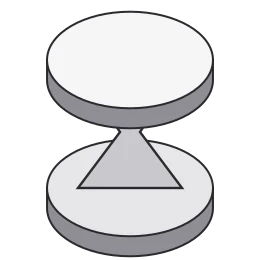
Nothing before the cliff. After it, a set amount per period, counted from the start, until the deposit is used. A top-up keeps the same pace, and periods already elapsed past the old deposit unlock it at once.
Vesting, locks, airdrops and bulk sends for any token on Robinhood Chain.
Open app
Latest block
Reading…
Streams
—
Locks
—
Drops
—
Pools
—
ETH / USD
—
Robinhood Chain
Why Locker
Most token schedules live in a spreadsheet and a promise. Holders are told who unlocks what and when, and they have no way to check it. Teams send tokens by hand and hope nobody spots a wrong row.
Locker moves that work onto the chain.
A vesting stream, a lock, an airdrop or a pool here is a set of rules in a contract anyone can read. The date, the amount and who can do what are fixed when it is created and shown on its own public page. There is no protocol fee, no admin key and no token you must hold.
Our tools
Vesting for teams and investors, locks for liquidity, airdrops for communities, bulk sends for payouts and staking pools a team funds itself.
Set a start, a cliff, a cliff amount, a period and a release per period. The recipient withdraws what has unlocked, the chart shows the real values, and every stream gets a page you can share.
Whether the sender may cancel and whether the recipient may hand the stream on are set at creation, shown on the page, and can never change.
Nothing before the cliff. After it, a set amount per period, counted from the start, until the deposit is used. A top-up keeps the same pace, and periods already elapsed past the old deposit unlock it at once.
Upload a file of recipients and amounts. Each row is checked in the browser, then up to 150 streams are created in one all-or-nothing transaction.
Terms, unlocked so far, withdrawn so far, the schedule chart and the contract events. Read from the chain, with a link to the explorer.
Any token that moves the exact amount asked for works. A token that takes a cut on transfer is refused at deposit, with a clear message.
$LOCKER is a community memecoin launching on Pons, with no promised value. No tool here needs it, and its utility is planned, not live.
Learn moreWhat we use
No partner row. These are the things the site and the contracts actually run on, and you can check each one yourself.
Every contract and every read lives on this chain, id 4663. Connecting adds it to your wallet.
ExplorerEvery stream, lock, drop, batch and pool page links here, so you can see the raw transaction yourself.
Price feedThe ETH / USD figure on this site is read from the feed on chain. Nothing in the contracts depends on it.
Launch$LOCKER launches on this launchpad. The tools work the same before and after, and never touch it.
ChartsOnce the token trades, its chart link opens here. We show no price of our own in any tool.
TestsFuzz runs, invariants and hostile-token mocks ship with the source, so anyone can run them again.
Resources
Everything you need to use the tools, and everything that can go wrong, in plain words.
Try me
FAQ
Short answers, including the uncomfortable ones.
A set of token distribution tools on Robinhood Chain: vesting streams, fixed-date locks, Merkle airdrops, bulk sends and pools a team funds itself. Each tool is a contract anyone can read, with a public page for everything created.
Network gas only. The contracts have no protocol fee and no way to add one. You do not need $LOCKER for anything.
Only the party the rules name. A recipient withdraws what has unlocked, a sender cancels only if the stream allows it, a lock owner withdraws after the date, and a wallet claims a row in a list the sender wrote. There is no owner, admin, pause, upgrade or sweep function.
We do not call it that. The contracts are new and have tests but only a short history. A token issuer can also block an address or pause a token, and tokens can then stay stuck with nobody able to rescue them. Read the risks page before you sign, and start small.
Any standard ERC-20 that moves the exact amount asked for, including tokens that return nothing from a transfer. A token that takes a cut when it is deposited is refused. That check happens at deposit only: a tax switched on later, or balances that change on their own, can leave payouts of that token short, so avoid those.
A pool shares a budget the team put in. We show the rules and what is left, and never an annual rate or an estimate, because your share depends on how much others stake. Nothing here promises a return.
A white-label portal, an SDK package, position NFT locks and any utility for $LOCKER. They are labelled planned wherever they appear.
No owner, no vote and no upgrade can change a rule after it is set. Read them yourself.